Searching by title alone does not always identify the right movie. Unrelated films can share a name, while the same film may appear under different titles in different countries. Streaming platforms may also display a remake, short film, documentary, or television production beside the feature a viewer intended to find. The safest approach is to combine the year shown in the listing with the director, principal cast, country, runtime, and distributor for that specific release. No single field is reliable in every case.
3 Steps to Distinguish Two Movies With the Same Title
Use the following three-step process before renting, buying, citing, or adding a film to a watchlist.
Step 1: Look Up the Production Year and Official Release Date
The four-digit year beside a title is a useful first filter, but it should normally be understood as the film’s release year rather than its exact production year. A movie can premiere at a festival in one year and reach theaters or streaming services in another.
Database conventions also differ. One service may use the festival-premiere year, while another uses the first commercial release in a particular country. When the year is close but does not match your memory, open the full record and inspect its release dates.
For example, M. Night Shyamalan’s Split is commonly listed as Split (2016), reflecting its 2016 festival premiere, although its wide U.S. theatrical release occurred in January 2017. The record can then be confirmed through Shyamalan’s name and the cast, including James McAvoy and Anya Taylor-Joy.
Search Tip: Use the title together with the year and director, such as “Split 2016 M. Night Shyamalan.” For purchases, also confirm the runtime, language, and artwork before paying.
Step 2: Check the Lead Cast and Director
Cast and director information is more useful when checked as a combination. Matching one performer alone does not provide 100 percent certainty because actors can appear in remakes, sequels, documentaries, and similarly titled productions.
A stronger match includes the director and at least one or two principal performers. If you are looking for the 1962 film adaptation of To Kill a Mockingbird, the record should identify Robert Mulligan as director and Gregory Peck as Atticus Finch. The American Film Institute lists the film’s release date as December 25, 1962 and confirms those credits.
Search Tip: Open the “Details,” “About,” or “Cast & Crew” section. Compare the director, leading performer, runtime, country, and synopsis rather than relying on the poster alone.
Step 3: Identify the Distributor and International Market Title
A production company finances or produces a film, while a distributor handles its release in one or more markets. They are not necessarily the same organization.
The distributor can be helpful when two films share a title, but it is not a permanent global identifier. Theatrical, television, physical-media, and streaming rights may belong to different companies. A film may also change distributors after its original release.
Studio or distributor logos do not always appear in the same place. Trailers may contain several company logos, and a streaming listing may show only the current rights holder. Verify the distributor attached to the country and edition you are researching.
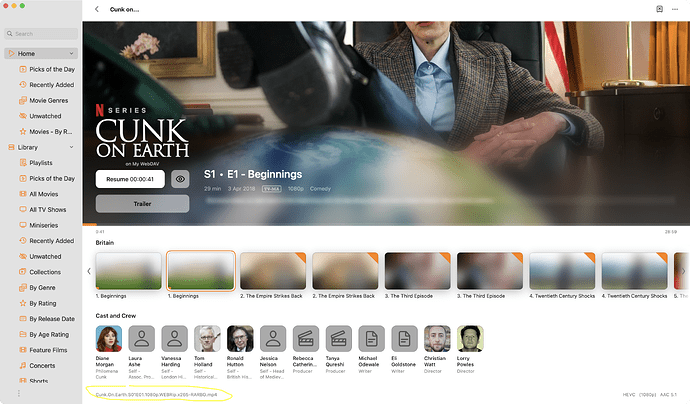
Why Do Distributors Assign Different Titles to the Same Movie?
A movie may receive a translated title, a localized marketing title, or a completely different release title in another country. This can happen because of language, local audience expectations, an existing title conflict, or the distributor’s marketing strategy.
The title alone therefore cannot establish whether two listings represent the same film.
Distinguishing Between Original Title, Commercial Name, and Taglines
Original Title: The title associated with the film’s original production or first release, often in its original language.
Localized or Alternate Title: A title used for distribution in another language, country, or release channel.
Subtitle: An official part of a title used to identify an installment or distinguish it from related works. In Die Hard with a Vengeance, “with a Vengeance” belongs to the film’s official title rather than functioning merely as poster advertising.
Tagline: A promotional sentence or phrase that is separate from the title. It may appear prominently on a poster without being part of the film’s searchable name.
Punctuation is not enough to identify the category. A colon or hyphen may be part of an official title, but it may also be added by a platform to display a series name, translated description, or edition label.
International Title Changes Across Major Distributors
The romantic comedy directed by Tom Vaughan and starring Pierce Brosnan, Salma Hayek, and Jessica Alba demonstrates the problem. It is widely listed as Some Kind of Beautiful in the United States, How to Make Love Like an Englishman in Canada, Lessons in Love in the United Kingdom, and Teach Me Love in some European markets.
The original article’s distributor-by-distributor chart was too specific. Public title records do not support assigning every alternate title to the companies named there, and distributors can differ by medium.
              INTERNATIONAL TITLE VARIATIONS BY MARKET
               (Film Directed by Tom Vaughan)
[United States] -------------> "Some Kind of Beautiful"
[Canada] --------------------> "How to Make Love Like an Englishman"
[United Kingdom] ------------> "Lessons in Love"
[Some European Markets] -----> "Teach Me Love"
To confirm that these titles refer to the same film, compare the director, cast, plot, runtime, production country, and year rather than relying on the localized name.
Working Titles and Security Titles in Production
A working title is a temporary name used while a film is being developed or produced. A codename may also be used to limit publicity, simplify logistics, or conceal the identity of a high-profile production.
Lucasfilm confirms that Blue Harvest was a codename used during the production of Return of the Jedi. The company created materials for a fictitious horror film while filming in the United States.
A working title appearing in production records does not create a second movie. Reputable databases usually place it under alternate-title or production information, although search engines and copied metadata can present it without sufficient context.

How to Accurately Cite and Reference Movies With Duplicate Titles in Journalism and Academia
Precise identification is especially important when a title is shared by a film, book, television program, or another movie.
In-Text Citation Identification Rules
In general journalism and criticism, identify an ambiguous film by adding its year and director at the first mention.
Ambiguous: “The movie Split uses confinement to build suspense.”
Clear: “M. Night Shyamalan’s Split (2016) uses confinement to build suspense.”
This is a clarity practice rather than a universal academic citation rule. A publication’s house style may prefer a different order or omit the year when no ambiguity exists.
International Citation Standards (MLA Format)
MLA does not require one rigid film citation containing the director, lead actors, production company, distributor, and year in every case.
For a basic Works Cited entry, MLA recommends beginning with the film title, followed by the director as a contributor, the company that produced the movie as publisher, and the release date. Other contributors are included when relevant to the writer’s discussion.
Standard MLA Movie Citation Format:
Title of Movie. Directed by Firstname Lastname, Production Company, Year of Release.
If the analysis focuses primarily on a director, MLA permits beginning the entry with the director’s name. If a streaming version was consulted, information about the platform or container may also be needed.
Comparing Citations for Movies vs. Books With Identical Titles:
Media TypeMLA Works Cited EntryKey Distinguishing ElementFeature FilmTo Kill a Mockingbird. Directed by Robert Mulligan, Pakula-Mulligan Productions, 1962.Director and film release informationBook / NovelLee, Harper. To Kill a Mockingbird. J. B. Lippincott, 1960.Author and book publication informationMLA advises taking basic publication facts from the version of the movie actually watched whenever possible.
Legal Realities: Why Identical Movie Titles Exist and the Expensive Title Trademark Dispute
Films can share titles because copyright law does not grant exclusive ownership of a short title. That does not mean filmmakers may use any title without considering trademarks, consumer confusion, contracts, or industry registration systems.
Legal Framework: Movie Titles Cannot Be Copyrighted
The U.S. Copyright Office states that names, titles, slogans, and short phrases are not protected by copyright because they contain too little authorship. The film itself including its script, images, sound, and other original expression may still be protected.
Trademark law follows a different principle. The USPTO generally refuses registration when a mark is used only as the title of one creative work, including a single film. A title used for a series may qualify when it functions as an indicator of commercial source.
This does not create an automatic rule that every franchise title is protected or that every ordinary word is free to use. The legal analysis can involve actual trademark use, related goods and services, likelihood of confusion, and contractual rights.
Lessons From The Butler (2013) Lawsuit and the Title Search & Clear Process
The dispute over The Butler was not a copyright lawsuit deciding who owned those words. It arose through the Motion Picture Association’s Title Registration Bureau, an industry system used by participating companies to register titles and resolve conflicts.
Warner Bros. objected because it controlled rights connected with an earlier silent short titled The Butler. The MPA process initially prevented The Weinstein Company from releasing its film under the unmodified title. The eventual permitted title was Lee Daniels’ The Butler.
THE "THE BUTLER" (2013) TITLE DISPUTEWarner Bros. (Registered an earlier film title)
VS
The Weinstein Co. (Planned to use "The Butler")
|
v
[MPA Title Registration Process]: Original title rejected
[Outcome]: Film released as "Lee Daniels' The Butler"
The distinction matters: the result came from an industry registration agreement binding participating companies, not from a general rule preventing every independent filmmaker from repeating an existing title.
Hollywood's 5-Step Title Clearance Process (Search & Clear)
There is no universal five-step procedure legally required of every film. A practical clearance review may nevertheless include these areas:
Step 1 (Industry Title Search): Check the MPA Title Registration Bureau when the producer or distributor participates in that system. The MPA continues to maintain the bureau.
Step 2 (Trademark Search): Review relevant USPTO registrations and applications, including marks used for entertainment and related merchandise.
Step 3 (Copyright Record Review): Do not search copyright records to obtain ownership of a short title. Use them when necessary to investigate the underlying film, screenplay, or chain of title.
Step 4 (Common-Law and Marketplace Search): Examine existing films, television programs, books, businesses, websites, festivals, and unregistered commercial uses.
Step 5 (Legal Risk Assessment): Have qualified counsel evaluate confusion risks, contractual restrictions, international markets, advertising, and proposed merchandise.
This is a due-diligence framework, not an official promise that completing five searches makes a title legally safe.
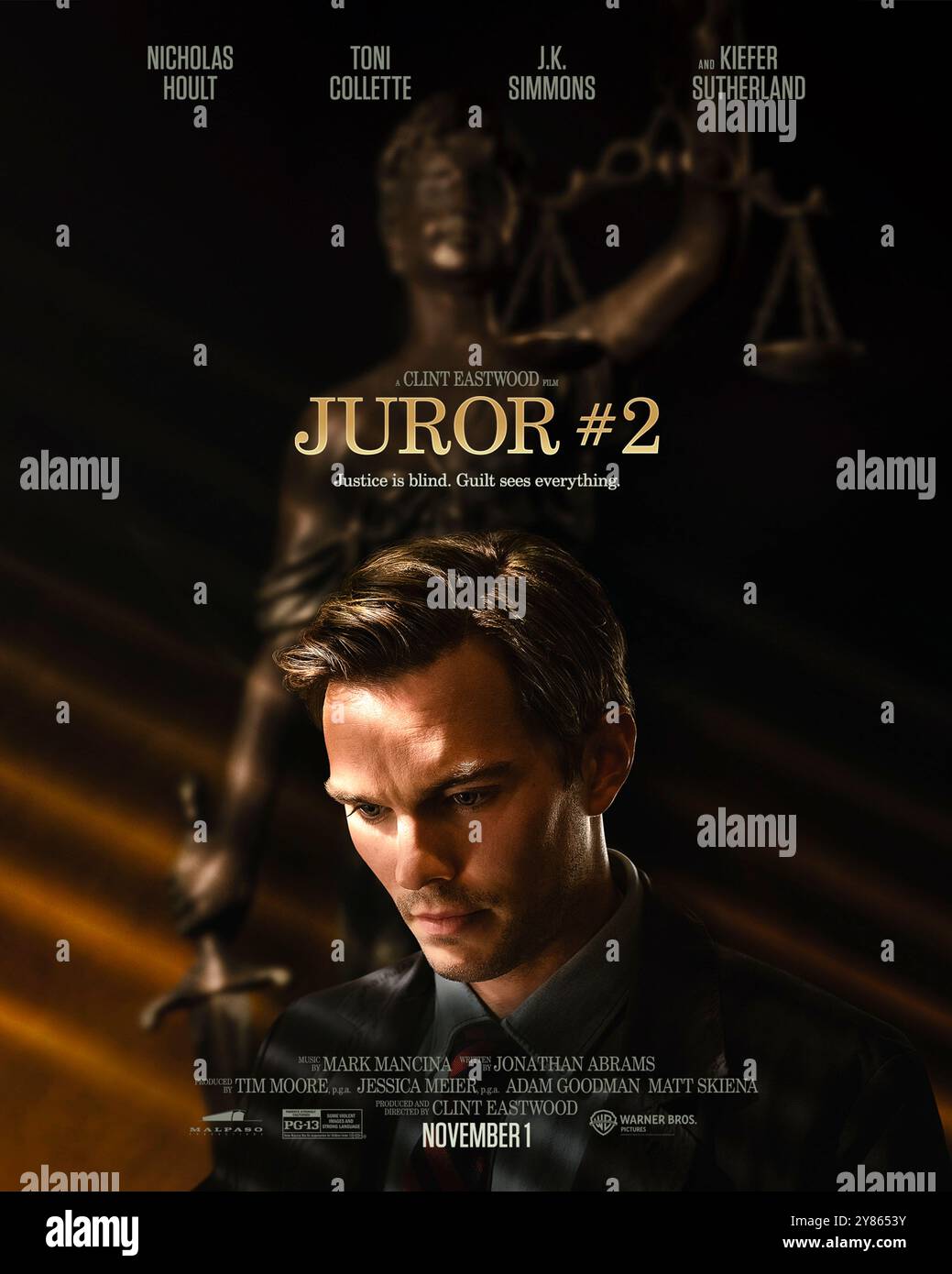
Movies with identical or alternate titles are best distinguished through a combination of release year, director, lead cast, runtime, country, and release-specific distributor. The distributor should be used as supporting evidence rather than a permanent identifier. Copyright does not protect a short movie title, but trademark rules, marketplace confusion, contracts, and the MPA’s voluntary title-registration system can still affect whether a title is used commercially. Before renting or buying a movie, match at least three details: the year shown in the listing, the director or lead cast, and the runtime or synopsis. This is more reliable than trusting the poster, title, or distributor name alone.