Online surveys, giveaways, customer-reward programs, and prize draws can be legitimate. Companies use them to collect feedback, promote products, recruit research participants, or reward customers.
Scammers use similar formats because a survey creates a believable reason to request names, phone numbers, addresses, account credentials, and payment information. A copied logo, professional design, or HTTPS connection can make a fraudulent page appear trustworthy.
An unexpected prize should be treated cautiously, especially when you did not enter the promotion. Verify the sponsor, official rules, eligibility requirements, closing date, and contact details through a source you locate independently rather than through the message announcing the prize.
7 Red Flags That a Survey or Prize Event Is Designed to Collect Your Personal Information
No single sign identifies every scam. Several warning signs appearing together provide a stronger reason to leave the page.
1. Requesting Sensitive or Financial Information
A legitimate survey may request demographic information, opinions, and contact details. If a prize must be delivered, the organizer may eventually need a name and mailing address.
The request becomes suspicious when the page demands information unrelated to the survey or prize, including:
Credit or debit card numbers to release a prize.
CVV/CVC codes, banking passwords, or ATM PINs.
Email or social-media passwords.
One-time verification codes.
Government identification numbers before the sponsor has been verified.
Remote access to a computer or phone.
The FTC states that consumers should not need to provide bank-account, credit-card, or Social Security information to claim a prize. A legitimate organization will not ask for an OTP or account password as part of a survey response.
A verified contest may request tax or identity information from a confirmed winner when legally required. That process should occur through the organizer’s official channel after the promotion has been independently confirmed.
2. Rewards That Are Unreasonably Large for the Effort Required
A high-value prize does not prove that a promotion is fraudulent. Established brands sometimes run large sweepstakes, but they publish official rules explaining the sponsor, entry period, eligibility, prize value, selection process, and restrictions.
Be cautious when a page guarantees an expensive prize to every participant after a few simple questions. Genuine research incentives are normally explained before participation and do not suddenly change from a modest reward into a luxury product.
Verify the campaign on the brand’s official website or verified social account. Do not use the phone number, email address, or link contained only in the promotional message.
3. Requiring Participants to Pay "Shipping Fees", Handling Fees, or Taxes
A request to pay before receiving a prize is one of the clearest scam indicators.
Scammers may describe the payment as shipping, insurance, processing, customs clearance, activation, or tax. They may ask for a card payment, gift card, wire transfer, cryptocurrency, or payment-app transfer.
The FTC states that real prizes are free and that anyone demanding payment for taxes, shipping, or processing before releasing a prize is running a scam. Taxes legitimately owed on a prize are not collected through gift cards or an unofficial payment account controlled by the person announcing the win.
4. Creating Time Pressure and Urgency
Fraudulent pages often use countdown timers, limited-stock messages, or warnings that the prize will be canceled within minutes. Urgency reduces the chance that a user will inspect the domain, search for the official promotion, or ask another person for advice. CISA lists urgent language, unexpected requests, and suspicious links among common phishing warning signs. A legitimate promotion can have an entry deadline, but its official rules should remain available and provide enough time to review the terms.
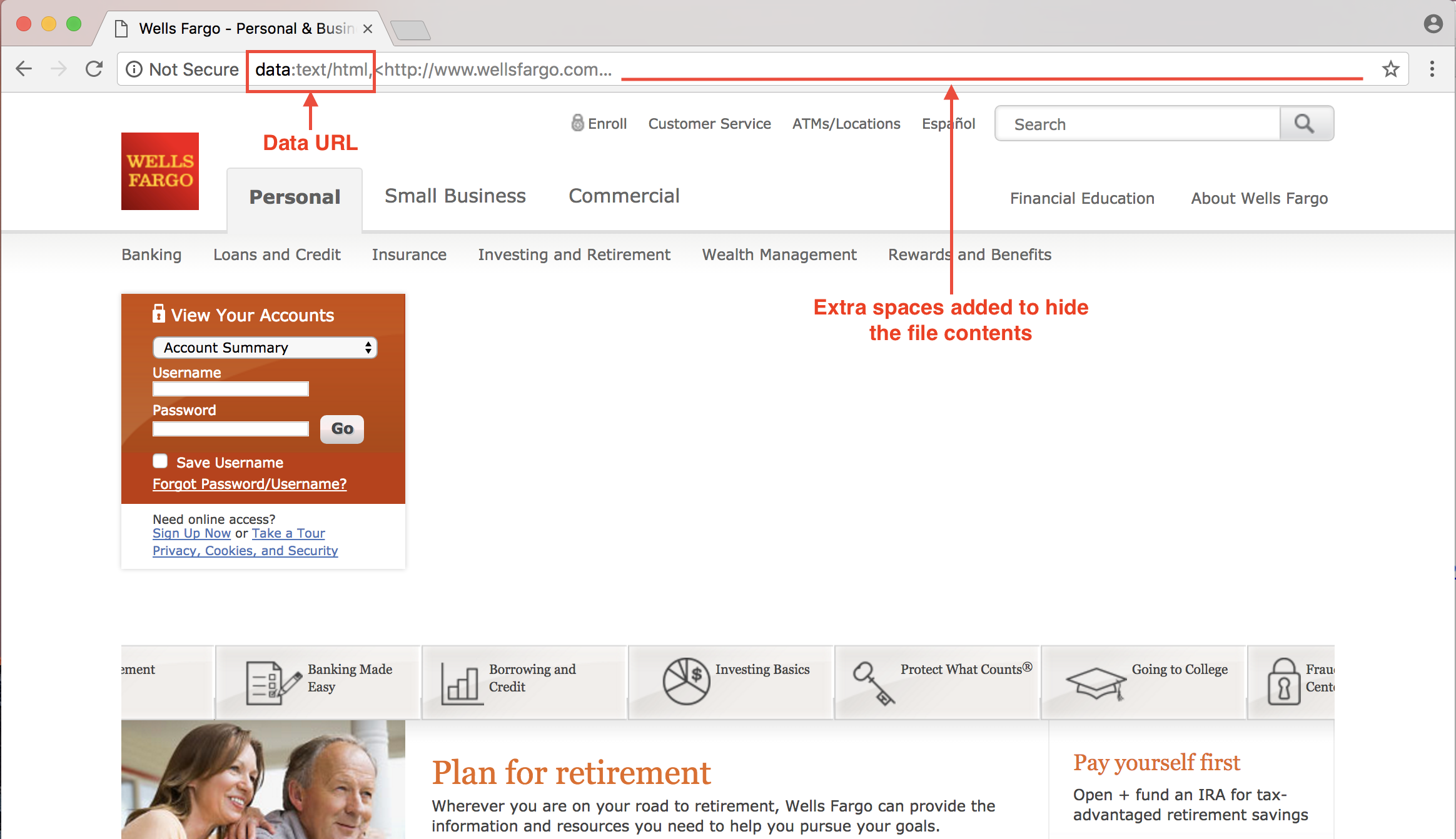
5. Suspicious URLs/Domains and Lack of Sponsor Information
Look at the complete domain rather than the logo shown on the page. Warning signs include:
Misspelled brand names.
Substituted characters such as amaz0n instead of amazon.
A brand name placed inside an unrelated domain.
Links shortened to hide the destination.
No identifiable company, sponsor, official rules, or support channel.
A newer extension such as .xyz, .top, or .club is not proof of fraud. Legitimate organizations can use these domains, while scammers can also register ordinary .com addresses.
HTTPS is also not proof that a promotion is genuine. It only means the connection to the displayed domain is encrypted. Phishing sites can obtain valid certificates.
Insertion position: Directly below subsection 5 (Suspicious URLs/Domains and Lack of Sponsor Information).
6. Demanding Post/Link Sharing to Friends Before Claiming Prizes
A requirement to forward a link to several contacts before a prize is unlocked is suspicious, particularly when the page provides no official rules or verifiable sponsor.
The purpose may be to spread the link rapidly through trusted personal connections. Friends are more likely to open a message received from someone they know.
Some legitimate promotions offer referral entries, so sharing by itself does not prove fraud. Review whether the referral program appears on the sponsor’s official site and whether participants receive an additional entry rather than a guaranteed prize.
Never provide access to contacts, messages, or social-media posting permissions merely to reveal a survey result.
7. Vague Privacy Policies or Data Selling Clauses
A legitimate survey should explain who collects the data, what information is required, how it will be used, whether it will be shared, and how long it will be kept.
A privacy-policy link is not proof of legitimacy. Fraudulent pages can copy legal text from another website. At the same time, language about sharing data with marketing partners may indicate a legal lead-generation campaign rather than criminal phishing.
The user still needs to determine whether the value of the incentive justifies that data collection. Avoid pages that conceal the organization’s identity, grant broad rights to unrelated partners, or provide no method for submitting privacy questions.
Common Forms of Online Survey and Prize Scams Today
Brand Impersonation Surveys: These copy the colors, logos, products, and layout of retailers, airlines, streaming services, or delivery companies. Google explains that phishing may use emails, advertisements, or websites designed to resemble services users already recognize.
Online Spin-the-Wheel Games: A visitor appears to win regardless of where the wheel stops. The next page requests personal details, a payment, or installation of an application. A spinning-wheel promotion can be legitimate, but a guaranteed high-value result without official rules is a warning sign.
Social Media Quizzes / Personality Tests: Some quizzes request access to profile information or require login through a social platform. Review the permissions before continuing. Facebook allows users to inspect and remove active third-party applications through the Apps and Websites settings.
Unexpected Winning Email/SMS: Messages may claim that a phone number or email address was selected randomly. A person cannot normally win a contest they never entered, and an unexpected notice requesting payment or financial information should be deleted.
Comparison Table: Real Market Research Surveys vs. Data Harvesting Scam Surveys
Evaluation CriteriaReal Market Research SurveyData Harvesting Scam SurveyPrimary GoalCollect opinions, research data, or customer feedbackObtain money, credentials, identity data, or leads through deceptionMandatory InformationRequests data relevant to the study and explains its purposeDemands excessive information unrelated to the stated surveyRewards OfferedClearly explains the incentive, raffle conditions, and eligibilityGuarantees an implausibly valuable prize without verifiable rulesCosts to ClaimDoes not require an advance fee to release a prizeDemands shipping, tax, processing, activation, or insurance paymentsWebsite DomainCan be connected to the sponsor or research organizationUses a lookalike domain or cannot be independently connected to the claimed brandViral Sharing RequirementMay offer transparent referral entriesDemands mass sharing before displaying or releasing a supposed prizePrivacy InformationIdentifies the data controller and intended usesHides the operator or uses copied, contradictory, or meaningless termsWhat to Do Immediately If You Accidentally Submitted Information to a Scam Survey
If You Entered Credit/Debit Card or Banking Information:
Contact the bank or card issuer using the official application, website, or number printed on the card. Ask whether the card should be locked, canceled, or replaced.
Review pending and posted transactions and report unauthorized payments promptly. A temporary card lock may not stop every previously authorized or recurring transaction.
If You Entered Account Passwords (Email, Social Media):
Open the real service by typing its address yourself. Change the exposed password and every other account using the same or a similar password.
Log out unknown sessions, review recovery details, and enable multifactor authentication. NIST warns that password reuse enables credential-stuffing attacks, in which a password stolen from one service is tested against accounts on other services.
Stay Alert Against Follow-Up Phishing Attacks:
A scammer who knows your name, phone number, recent survey topic, or claimed prize can create a more convincing follow-up message. Do not trust a caller merely because they repeat information you previously submitted.
Review Connected Application Permissions:
If you signed in through Facebook, Google, or another identity provider, review connected applications and remove the suspicious service. Revoking access does not necessarily delete information already collected.
Report the Scam Website:
Report the promotion to the impersonated brand, the platform where it appeared, and the relevant fraud-reporting authority in your country. In the United States, scams can be reported to the FTC, while identity exposure can be addressed through IdentityTheft.gov.
Keep Safe Browsing enabled and report suspected phishing pages through Google’s reporting tools when appropriate. Safe Browsing warns about known phishing, malware, abusive extensions, and malicious advertising, but it may not identify every newly created scam immediately.
What Do Scammers Do with Personal Data Harvested from Surveys?
Information that appears harmless can become more useful when combined with data from other sources.
Insertion position: Below the introductory paragraph under the heading "What Do Scammers Do with Personal Data Harvested from Surveys?".

Selling or Sharing Contact Data: Names, phone numbers, email addresses, and interests may be sold or distributed for spam, deceptive marketing, or additional scam campaigns.
Spear Phishing Attacks: Personal details allow criminals to create messages referring to a real employer, delivery address, purchase, or promotion.
Identity Theft: Government identifiers, document images, dates of birth, and addresses may be used in attempts to open accounts, impersonate the victim, or pass weak identity checks.
Credential Stuffing: Reused passwords can be tested automatically on email, shopping, social-media, and financial services. Unique passwords and multifactor authentication reduce this risk.
Account-Recovery Abuse: Details such as a phone number, birthday, address, or security-answer information may help an attacker target password-reset processes or impersonate the user during support requests.
Online surveys and prize events are not automatically fraudulent, but unexpected rewards deserve careful verification. Leave the page when it requests payment to release a prize, asks for passwords or OTP codes, hides the sponsor, or uses pressure to prevent investigation. Verify the promotion through the claimed company’s official website, read the complete rules, and provide only information necessary for the stated purpose. When information has already been exposed, secure the affected financial and online accounts immediately rather than waiting for fraud to appear.